
Color Rendering Index (CRI) is an often undiscussed metric in lighting, particularly in the electrical field. Electricians need to ensure that their lighting solutions provide the best possible illumination for various environments. So learning about color rendering is smart. CRI measures a light source's ability to reveal the colors of objects faithfully in comparison with an ideal or natural light source. This article will delve into what CRI is, how it works, and why it is essential for electricians to understand and apply this concept in their work.
https://youtu.be/rmN-xpor8Yk?si=msnZCSXbnyLvRoRR What is the difference between color temperature (Kelvin) vs color rendering index (CRI)?What is CRI?
CRI, or Color Rendering Index, is a quantitative measure that assesses how accurately a light source reveals the colors of various objects compared to a natural light source. Typically daylight or incandescent light. The CRI scale ranges from 0 to 100, where 100 represents the highest possible color rendering ability. A light source with a CRI of 100 would render colors exactly as they would appear under a reference light source.

The CRI Scale
- 0 to 55: Poor color rendering. Colors appear washed out or unnatural.
- 55 to 70: Fair color rendering. Suitable for areas where color accuracy is not critical.
- 70 to 85: Good color rendering. Common in many commercial and residential applications.
- 85 to 90: Very good color rendering. Preferred for retail and office environments where accurate color distinction is important.
- 90 to 100: Excellent color rendering. Ideal for applications requiring the highest color accuracy, such as art galleries, medical facilities, and photography studios.
How the Color Rendering Index Works
CRI is calculated by comparing the appearance of eight standard color samples under the light source being tested to their appearance under a reference light source. The differences in color appearance are measured, and these differences are averaged to provide the CRI value. Here’s a more detailed breakdown of how CRI is determined:
- Reference Light Source: A light source, typically daylight or an incandescent bulb, is used as a reference. Because it has a consistent and broad spectrum of light that renders colors accurately.
- Test Light Source: The light source being evaluated is compared to the reference light source.
- Color Samples: Eight standard color samples (R1 to R8) are used to evaluate how well the test light source renders colors. These samples include a range of colors, from pastel shades to more saturated hues.
- Color Difference Measurement: The differences in the appearance of the color samples under the test light source and the reference light source are measured using a mathematical formula. Each color sample is given a score, and these scores are averaged to produce the CRI value.
- Special Color Samples (R9 to R15): In some cases, additional color samples (R9 to R15) are used to provide more detailed information about the light source's color rendering ability. R9, in particular, is important for rendering saturated red colors accurately.

Importance of Color Rendering in Lighting
Understanding and utilizing CRI is vital for electricians for several reasons. Often we are tasked with consulting homeowners, builders, and decorators on choices for light-sources in the spaces we wire. Rather than just picking up a random light bulb from a hardware store, it's beneficial for us to know a bit more about the effects lighting can have on a space. Here are a few things to take into consideration:
Color Accuracy
High CRI lighting ensures that colors appear natural and vibrant. This is particularly important in settings where color accuracy is critical, such as:
- Retail Stores: Accurate color rendering can influence purchasing decisions. Products displayed under high CRI lighting appear more appealing and true to their actual colors.
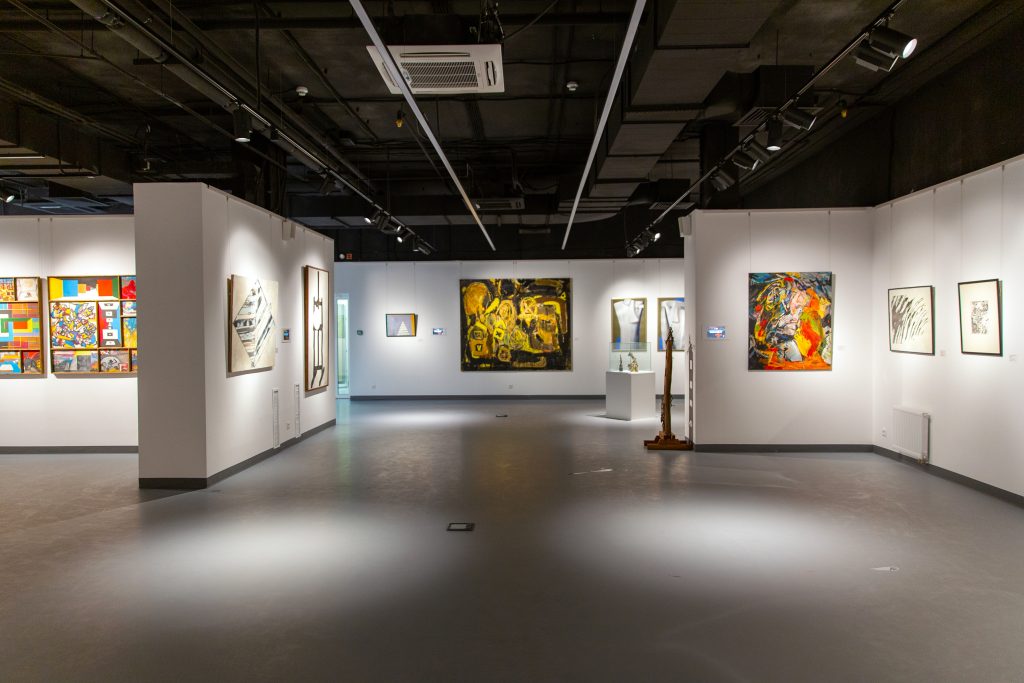
- Art Galleries and Museums: Artworks must be lit in a way that preserves their true colors, ensuring that viewers see them as the artist intended.
- Medical Facilities: Accurate color rendering is essential for medical diagnostics, where doctors and surgeons rely on true color representation for examinations and procedures.
Visual Comfort
Lighting with a high CRI reduces eye strain and improves visual comfort. This is especially important in environments where people spend long periods, such as offices, schools, and homes. High CRI lighting makes it easier to distinguish between colors and details, enhancing overall visual clarity. As a result, tasks that require precision, such as reading, writing, or working on intricate projects, become less fatiguing and more efficient. Moreover, high CRI lighting contributes to a more pleasant and inviting atmosphere, making spaces feel more natural and comfortable. This can have a positive impact on mood and productivity, creating an environment that supports well-being and effectiveness.
Safety and Productivity
Advancements in high CRI lighting technology play a crucial role in enhancing safety and productivity across various work environments. Accurate color rendering is not just about aesthetics; it has practical implications that directly impact the efficiency and well-being of workers.
Environments
In Manufacturing and Inspection environments, high CRI lighting is essential for precision tasks where color differentiation is critical. Workers must accurately identify color-coded components, such as wiring, resistors, or control panels, to ensure proper assembly and operation. High CRI lighting allows for clear distinction between similar shades, reducing the risk of errors that could lead to malfunctions or safety hazards. Additionally, when inspecting products, especially in quality control, high CRI lighting helps workers detect subtle defects or inconsistencies that might go unnoticed under lower-quality lighting. This leads to higher standards of quality assurance and reduces the likelihood of defective products reaching the market.

In Office Spaces, the impact of proper lighting on productivity and well-being is profound. Lighting high in the color rendering index reduces eye strain, which is a common cause of fatigue in environments with poor lighting. By providing a more natural light spectrum, high CRI lighting mimics daylight, which can improve mood and focus, leading to higher levels of concentration and productivity. Workers are less likely to experience the headaches or eye discomfort that often result from prolonged exposure to harsh or low-CRI lighting. This improved visual comfort translates to better work quality, fewer mistakes, and a more pleasant work environment, ultimately contributing to overall workplace efficiency.
Moreover, as lighting technology continues to advance, the integration of high CRI lighting in smart lighting systems allows for adaptive lighting conditions tailored to specific tasks and times of day. This not only optimizes productivity but also enhances safety by ensuring that the lighting environment is always suited to the needs of the task at hand, whether it’s detailed inspection work in a manufacturing facility or focused desk work in an office.
Aesthetics and Atmosphere
High CRI lighting enhances the aesthetics of a space by rendering colors more vividly and naturally. This can improve the ambiance and overall experience in various settings, from restaurants and hotels to residential interiors. By accurately reflecting the true colors of furnishings, artwork, and decor, high CRI lighting creates a more visually appealing and cohesive environment. In hospitality settings, for example, it can elevate the dining experience by making food look more appetizing and interiors more luxurious. In residential spaces, it brings warmth and richness to the home, allowing the decor to shine in its intended palette. The improved color fidelity not only enhances the visual appeal but also contributes to creating a specific mood or atmosphere that aligns with the purpose of the space, whether it's relaxation, creativity, or social interaction.
 motion chefs of a restaurant kitchen
 Choosing the Right CRI for Different Applications
Electricians must consider the specific requirements of each application when choosing lighting with the appropriate CRI:
- Residential Lighting: For most home environments, a CRI of 80 to 90 is generally sufficient to provide pleasant and accurate color rendering.
- Commercial Lighting: Retail stores, offices, and hospitality venues benefit from lighting with a CRI of 85 or higher to enhance the appearance of products and spaces.
- Specialized Applications: Art galleries, medical facilities, and photography studios require lighting with a CRI of 90-100 to ensure the highest level of color accuracy.
Advances in Lighting Technology
Recent advancements in lighting technology, especially in LED development, have significantly enhanced the ability to achieve high color rendering index values without compromising energy efficiency or longevity. In the past, achieving high CRI often meant sacrificing energy efficiency, but modern LED technology has bridged that gap, offering both superior color rendering and reduced energy consumption.
Today's LEDs can achieve CRI ratings in the 90s and even close to 100, which was previously difficult to attain outside of incandescent lighting. This advancement allows for more accurate and natural color representation in a wider variety of settings. From commercial spaces to residential applications. Additionally, innovations such as tunable white LEDs and full-spectrum lighting options have expanded the possibilities for creating tailored lighting environments.
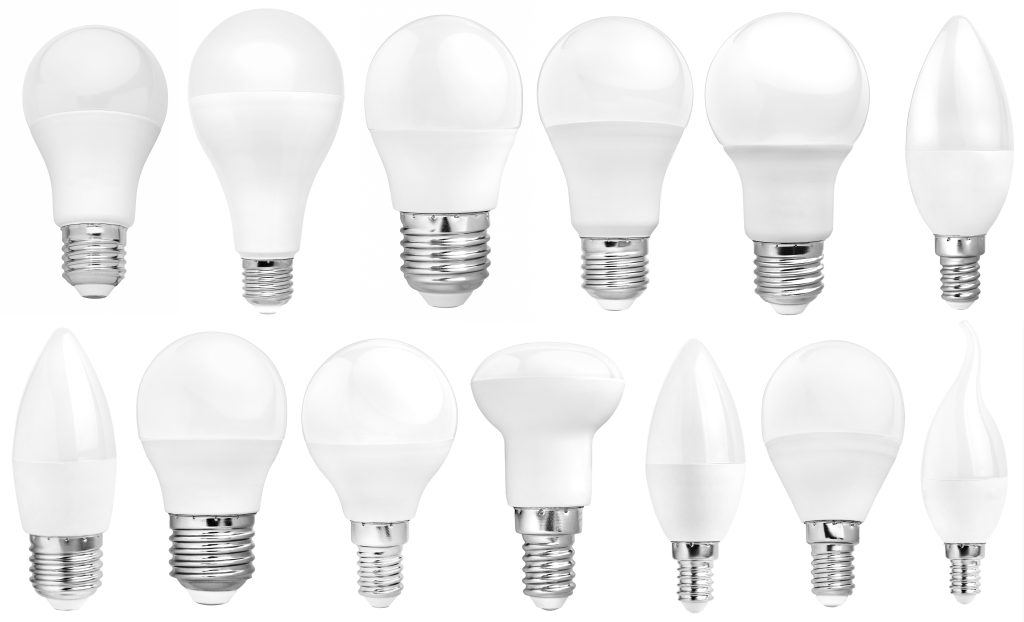 set of isolated modern LED bulb
 Manufacturers are now more transparent in providing detailed specifications. Including CRI values, R9 values (which indicate how well a light source renders strong red colors), and other metrics like TM-30-15. Which offers a more comprehensive evaluation of color rendering. These tools and data empower electricians, designers, and consumers to make more informed decisions when selecting lighting products, ensuring that they meet the specific needs of each application, whether it be enhancing the ambiance of a retail store, ensuring accurate color distinction in a hospital, or creating a comfortable and inviting atmosphere in a home.
Furthermore, as LED technology continues to evolve, we are seeing the integration of smart lighting systems that not only allow for adjustable CRI settings but also adapt to different times of the day, further improving both the aesthetic and functional aspects of lighting. This continuous innovation in LED and lighting technology ensures that high CRI lighting is not only more accessible but also more versatile, catering to the ever-increasing demands for quality lighting in both professional and personal spaces.
Conclusion
Color Rendering Index is a vital metric for evaluating the quality of light and its ability to render colors accurately. For electricians, understanding CRI and its implications is crucial for designing and installing lighting systems that meet the needs of different environments. By selecting lighting with the appropriate CRI, electricians can enhance visual comfort, safety, productivity, and the overall aesthetic experience of a space. As lighting technology continues to evolve, the importance of CRI in ensuring high-quality illumination will remain a key consideration in the field of lighting design and installation. Check out the article "Kelvin Color Temperature - (2700k, 3500k, 4000k, 5000k" next!