
When it comes to electrical lighting systems, particularly in commercial and industrial environments, drivers and ballasts are two important components that every electrician need to understand. These devices regulate the power supplied to lighting fixtures, ensuring that the bulbs function correctly and efficiently, and without them many lights will not operate. While drivers and ballasts serve a similar purpose, they are used with different types of lighting technologies and operate based on distinct principles. This article will explore the differences between drivers and ballasts, their various types, and the specific applications they are used for, while also delving into the theory of how they work with bulbs to make them illuminate.
What is a Ballast?
A ballast is a device used to regulate the current in fluorescent and HID (High-Intensity Discharge) lamps. Fluorescent and HID lamps do not have a built-in mechanism to control the flow of current once they are ignited, which makes them prone to drawing too much current. Without a ballast, the lamp would quickly overheat, leading to damage or a potential safety hazard.
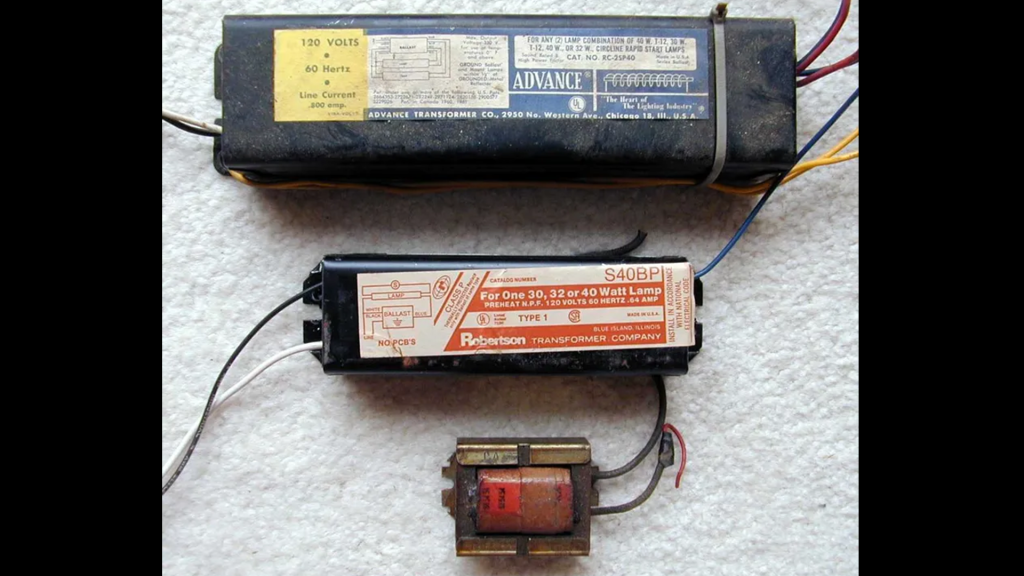
How Ballasts Work:
Ballasts function by providing an initial high voltage to start, or ignite the lamp, which is necessary to ionize the gas inside the tube and create a conductive path for the electrical current through the arc tube. Once the lamp is lit, the ballast then limits the current to a safe, steady level. This dual function of starting the lamp and regulating current is essential for the safe and efficient operation of fluorescent and HID lighting systems.
There are two main types of ballasts: magnetic and electronic.
1. Magnetic Ballasts:
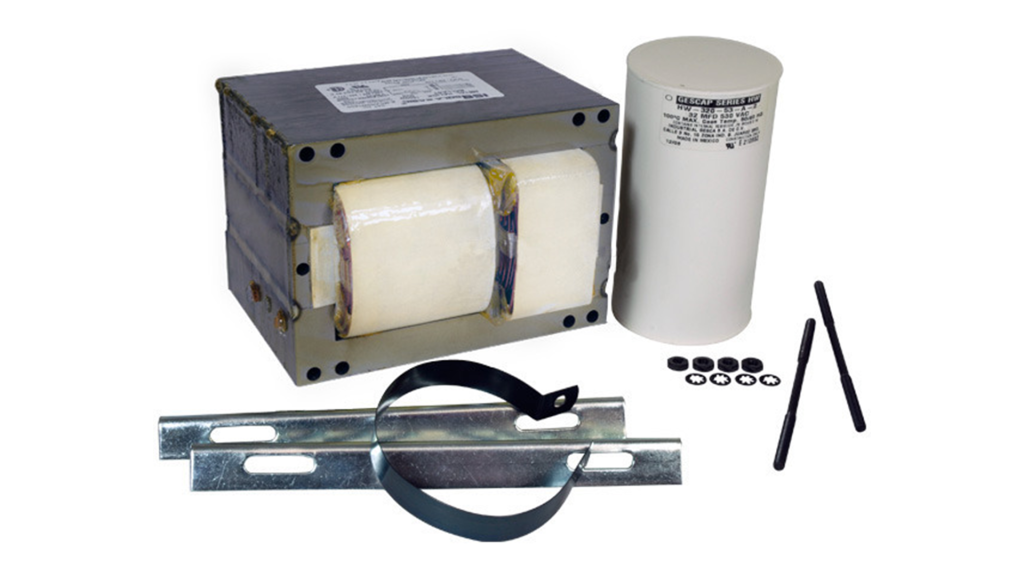
- Construction and Operation: Magnetic ballasts are an older technology, consisting of a coil of wire around a core of magnetic material. They use electromagnetic induction to regulate current. The coil and core combination creates impedance to the current flow, thereby controlling the amount of current that reaches the lamp.
- Characteristics: Magnetic ballasts are heavy and produce a noticeable humming sound. They also have a longer warm-up time when starting the lamp.
- Applications: Magnetic ballasts are commonly found in older fluorescent lighting systems and some HID lighting applications. Due to their inefficiency and the advancement of electronic ballasts, magnetic ballasts are becoming less common in new installations.
2. Electronic Ballasts:
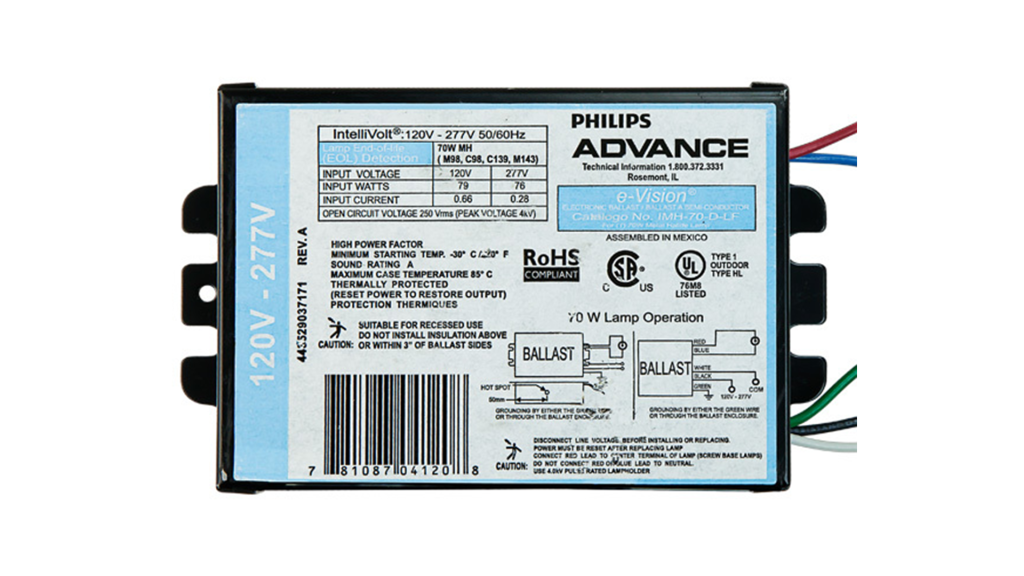
- Construction and Operation: Electronic ballasts use solid-state components to regulate current. They operate at a higher frequency than magnetic ballasts (typically 20,000 to 60,000 Hz), which significantly reduces flickering and the audible humming sound.
- Characteristics: Electronic ballasts are more energy-efficient, lightweight, and provide instant start-up with little to no warm-up time. They also allow for more advanced features such as dimming and compatibility with various control systems.
- Applications: Electronic ballasts are widely used in modern fluorescent lighting systems, including T5, T8, and T12 lamps, as well as in compact fluorescent lamps (CFLs) and some HID lamps.
What is a Driver?
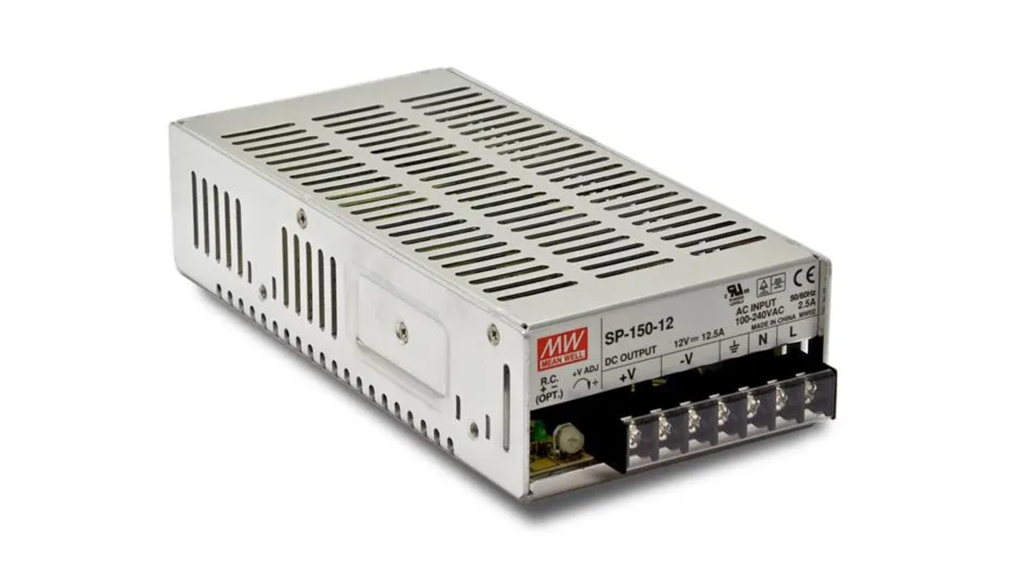
A driver is an electronic device that regulates the power supply to LED (Light Emitting Diode) lamps. Unlike traditional incandescent or fluorescent lamps, LEDs require a constant current or constant voltage to operate efficiently and safely. LED drivers are crucial because LEDs are highly sensitive to variations in voltage and current, which can lead to overheating, reduced lifespan, or complete failure if not properly regulated.
How LED Drivers Work:
LED drivers convert the higher voltage AC (Alternating Current) power from the electrical supply to the lower voltage DC (Direct Current) power required by LEDs. Depending on the design, drivers can either supply a constant current or a constant voltage. Constant current drivers regulate the current that flows through the LED, ensuring it stays within a safe operating range, while constant voltage drivers provide a steady voltage to the LED circuit, allowing the current to adjust as needed by the connected LEDs.
There are two main types of LED drivers: constant current and constant voltage.
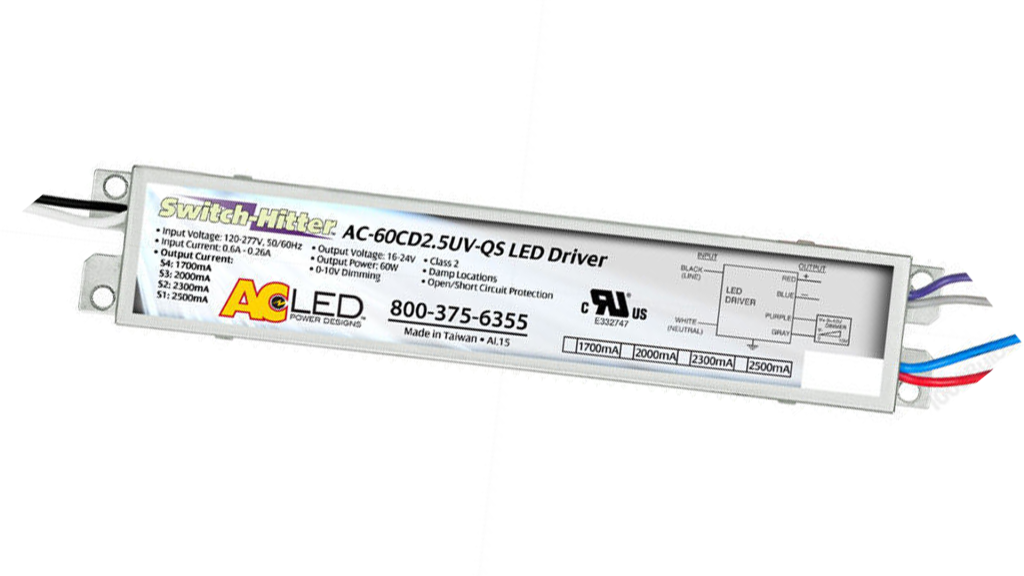
1. Constant Current Drivers:
- Function: These drivers deliver a fixed current to the LED while allowing the voltage to vary. This is ideal for LEDs that require a specific current for proper operation.
- Characteristics: Constant current drivers are used when the LED or LED array is designed to operate at a specific current. They are common in LED downlights, panel lights, and other applications where precise control of the current is necessary to maintain consistent light output and prolong LED life.
- Applications: They are typically used in high-power LED applications, such as street lighting, high-bay lighting, and large-scale commercial or industrial lighting installations.
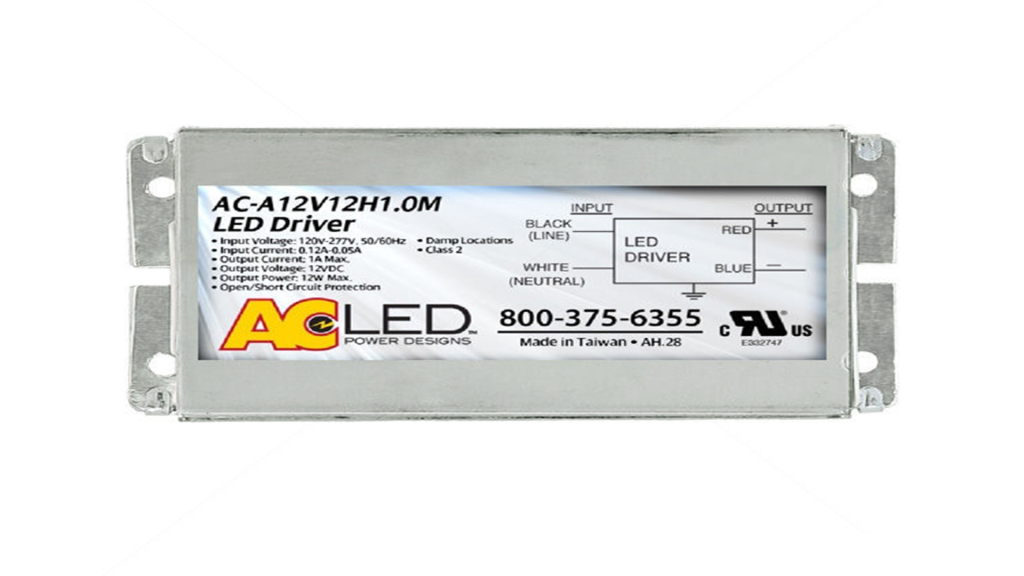
2. Constant Voltage Drivers:
- Function: Constant voltage drivers supply a fixed voltage, typically 12V or 24V, and allow the current to vary depending on the load (the connected LEDs). These drivers are ideal for LED systems that require a stable voltage to operate multiple LEDs or LED strips in parallel.
- Characteristics: Constant voltage drivers are more flexible in terms of the number of LEDs they can power, making them suitable for a variety of applications where multiple LEDs are used in a single circuit.
- Applications: They are commonly used in LED strip lighting, under-cabinet lighting, and other decorative lighting applications where LEDs are connected in parallel.
Applications and Considerations
Choosing the right ballast or driver depends on the specific lighting application, the type of lamp being used, and the desired characteristics of the lighting system.
- Fluorescent Lighting: In commercial and industrial settings, fluorescent lighting is still widely used due to its efficiency and cost-effectiveness. Electronic ballasts are typically preferred in these applications because of their energy efficiency, instant start-up, and compatibility with modern lighting controls.
- HID Lighting: HID lamps are often used in outdoor and high-intensity applications, such as street lighting, stadium lighting, and large warehouse lighting. Both magnetic and electronic ballasts can be used with HID lamps, but electronic ballasts are increasingly favored for their efficiency and ability to provide more stable light output.
- LED Lighting: LED lighting is rapidly becoming the standard for most applications due to its energy efficiency, longevity, and versatility. LED drivers are essential for these systems, with the choice between constant current and constant voltage drivers depending on the specific requirements of the LED fixtures.
Conclusion
Understanding the differences between drivers and ballasts, as well as the various types available, is crucial for electricians tasked with designing, installing, and maintaining lighting systems. Both components play a vital role in ensuring the safe and efficient operation of lighting fixtures, whether they are fluorescent, HID, or LED. By selecting the appropriate driver or ballast for each application, electricians can optimize the performance, longevity, and reliability of the lighting systems they work with, ultimately enhancing the quality of light and the energy efficiency of the installation.